Quick answer
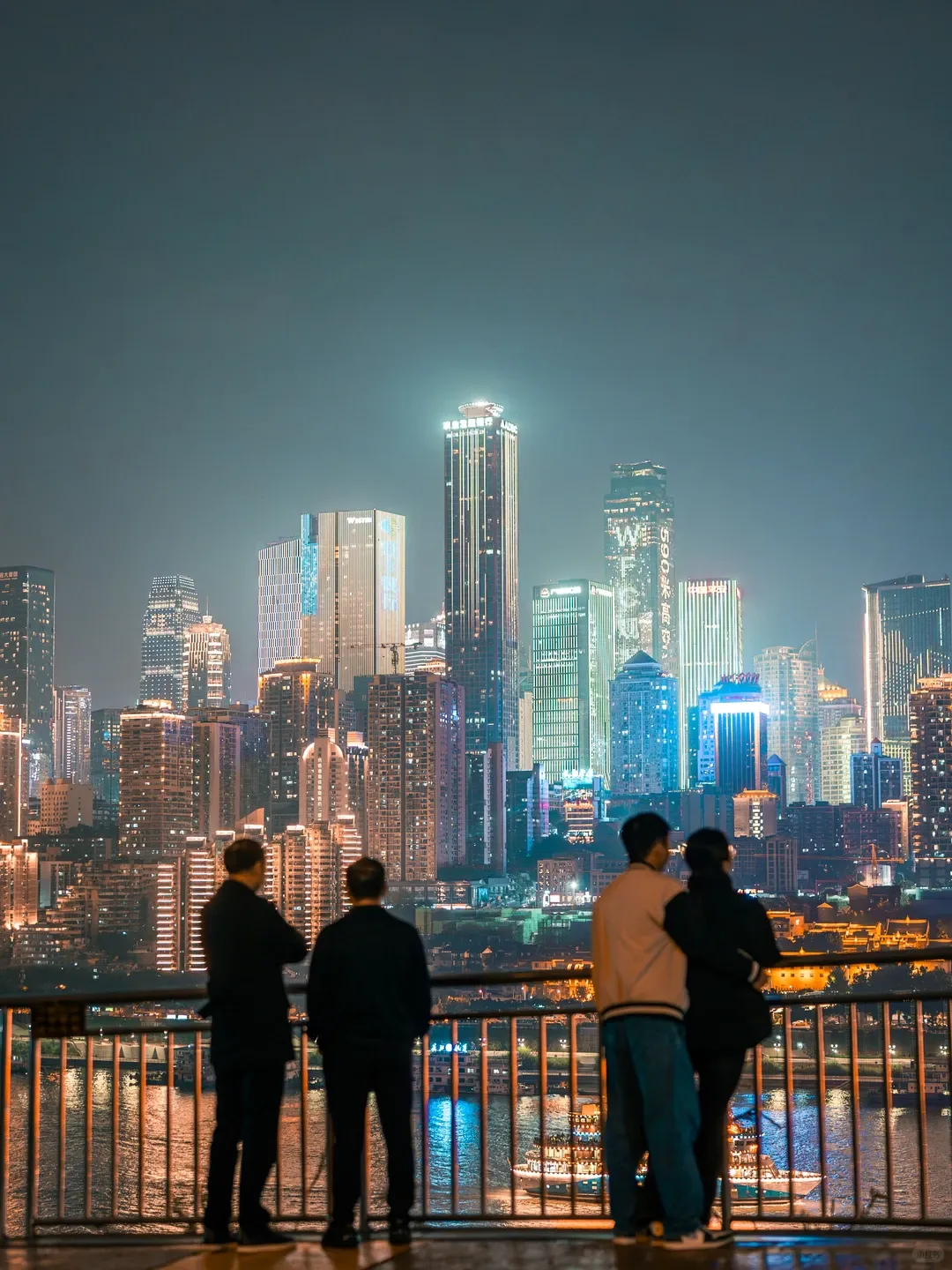
Chongqing's Nanbin Road stretches along the southern bank of the Yangtze River in Nan'an District, offering one of the city's finest panoramas of the Yuzhong Peninsula skyline and the confluence of two rivers. This pedestrian-friendly promenade provides an open, ground-level alternative to crowded observation decks and river cruises, combining scenic waterfront walks with hillside teahouses and historic quarters.
Essentials and Getting There: Metro, Hours, and Costs
Nanbin Road is a public waterfront boulevard open 24 hours a day, seven days a week. Admission is free, with zero ticket fees and no advance booking or reservation required. For a standard visit, allocating around one hour allows you to stroll a scenic stretch comfortably.
Reaching the promenade requires planning your transit route, as metro stations sit slightly inland from the waterfront rather than directly on the shore. Two primary subway options connect to different sections of the avenue:
- Line 6 connects to Shangxinjie Station (上新街站). From there, you can walk or take a brief connection down toward the riverside.
- Line 10 connects to Houbao Station (后堡站), which provides access to the western stretches of the waterfront district.
Panoramas and Photo Spots: Framing Raffles City and Sunset Silhouettes
Visiting between the late afternoon and sunset reveals the full dramatic scale of Chongqing's river landscape. As dusk settles, you can watch river barges navigate the Yangtze River against urban bridge silhouettes and the high-rise backdrop across the water.
Several vantage points offer memorable framing for photography:
- Bell Tower Square (钟楼广场), located across from the Huguishi bus stop, features an open circular installation where photographers frame the futuristic towers of Raffles City across the river.
- Hillside terraces perched above the roadway offer elevated perspectives overlooking the Yangtze and the glowing evening skyline.
- Street-level viewpoints along the river railing capture direct sightlines of the illuminated skyscrapers across the water.
Evening Strolls and Hillside Teahouse Culture
Evenings are the premier time to visit Nanbin Road, with 20:00 serving as an ideal post-dinner window to start your walk. During this time, gentle river breezes cool the riverfront while the Yuzhong Peninsula across the water comes alive with a coordinated light show.
Beyond walking, the riverside hillside preserves Chongqing's distinctive casual leisure traditions:
- Traditional wooden teahouses cantilever out from the hillsides among mature trees, providing authentic gathering spaces overlooking the river.
- Open-air tea tables and local snack vendors line the historic stone staircases connecting upper roadways to the shore.
- Contemporary tea venues and restaurants offer outdoor patio seating and floor-to-ceiling glass windows that frame illuminated bridges and skyline reflections throughout the night.
Exploring Nearby: Old Streets and Hilltop Lookouts
Nanbin Road serves as a natural anchor for exploring the historic hillside districts of the South Bank. Within immediate walking distance or a short connection, you will find three restored architectural enclaves:
- Xiahaoli, an artistic preservation district nestled into the hillside steps.
- Longmenhao Old Street, featuring traditional sloped stone architecture and terraced lookouts over the river.
- Danzishi Old Street, known for its multi-level hillside avenues and dining courtyards.
For travelers seeking a higher panoramic angle after exploring the shore, the hilltop viewpoint at Nanshan Yikeshu sits nearby on the adjacent mountain ridge.
Lodging Decisions and Safety Advice for Solo Walkers
Choosing accommodation along Nanbin Road involves a straightforward trade-off between visual atmosphere and transit convenience. The shoreline features numerous riverfront hotels and homestays directly facing the Yuzhong Peninsula, providing unobstructed views of the illuminated Hongyadong complex and Jiefangbei skyscrapers from guest rooms. However, lodging rates here are generally higher than in commercial hubs inland, and the absence of direct, doorstep subway access means reliance on taxis or uphill walks to reach rail lines.
Solo travelers should also note evening foot traffic conditions. While active commercial segments and major viewing plazas remain lively and well lit, certain quiet or unlit sections of the extended promenade become dim late at night. Solo visitors, particularly solo female walkers, should stick to lit plazas and populated walking paths during late-night strolls.